
Yingtan
Yingtan, located in northeast Jiangxi Province, China, is a city steeped in over 3,600 years of history. (travelchinaguide.com) Nestled between the Wuyi Mountains and the Poyang Lake basin, it offers a harmonious blend of natural beauty and cultural significance. Known as the "Capital of Copper," Yingtan is also recognized as one of the birthplaces of Taoism, making it a captivating destination for travelers seeking history, spirituality, and scenic landscapes. An ideal visit would span 2 to 3 days, allowing ample time to explore its rich heritage and natural wonders.
Travel Tips in Yingtan
Best Time to Visit
Yingtan experiences a subtropical monsoon climate with four distinct seasons. Spring (March to May) and autumn (September to November) are particularly pleasant, offering mild temperatures and clear skies. Summers can be hot and humid, while winters are relatively mild. For comfortable weather, plan your visit during spring or autumn. (travelchinaguide.com)
How to Get There and Get Around
Yingtan is well-connected by rail and road. The Yingtan–Xiamen railway links the city to major destinations, including Nanchang, Hangzhou, Fuzhou, and Shanghai. High-speed trains from Nanchang to Yingtan take about an hour. The nearest major airport is Nanchang Changbei International Airport, approximately 100 kilometers away. From there, trains or buses can be taken to Yingtan. Within the city, taxis and local buses are readily available, but exploring on foot or by bicycle offers a more intimate experience. (realjourneytravels.com)
Safety
Yingtan is generally safe for travelers. Standard precautions should be taken, such as safeguarding personal belongings and avoiding isolated areas at night. Be cautious when navigating busy streets and always use designated pedestrian crossings.
Local Customs, Language, Etiquette
Mandarin Chinese is the primary language spoken. While some locals may understand basic English, learning a few common phrases in Chinese can enhance interactions. When visiting temples or religious sites, dress modestly and remove shoes when entering sacred areas. It's customary to greet with a handshake or a slight bow. Tipping is not common in China and may be considered impolite.
Must-Know Practical Advice
Attractions like Longhu Mountain can be popular during peak seasons, leading to larger crowds. To avoid long lines, consider visiting on weekdays or during off-peak hours. Eco-friendly practices are encouraged; dispose of waste properly and avoid littering. When purchasing tickets for attractions, it's advisable to buy them in advance, especially during peak tourist seasons.
Highlights & Things to Do in Yingtan
Longhu Mountain Scenic Area
Recognized as one of the Four Sacred Mountains of Taoism, Longhu Mountain is a UNESCO World Heritage Site. Visitors can explore ancient Taoist temples, hike scenic trails, and witness the unique Danxia landforms. (en.wikipedia.org)
Shangqing Ancient Town
This historic town is home to temples associated with Zhang Daoling, a founder of Taoism. The town is mentioned in the beginning of the classic Yuan dynasty novel Water Margin. (en.wikipedia.org)
Yuehu Scenic Area
Located in the city center, Yuehu Scenic Area features the "Number One Pavilion in Jiangxi." Visitors can enjoy boat rides on the lake, stroll through traditional gardens, and experience local cultural performances. (topchinaguide.com)
Yushui Cave
A renowned karst cave with impressive underground formations and subterranean rivers, offering a unique spelunking experience. (whatdo.in)
Yingtan Style Park
A tranquil park featuring expansive green spaces, serene lakes, and traditional Chinese garden elements, ideal for relaxation and leisurely walks. (realjourneytravels.com)
Local Cuisine
Yingtan's culinary scene offers traditional dishes like Gan Mian (wheat noodles with savory broth) and Tofu Pudding (a delicate dessert made from fresh soybeans). Exploring local markets and eateries provides an authentic taste of the region. (whatdo.in)
Prices & Costs in Yingtan (approximate in USD)
Accommodation (per night, double):
- Budget: $20–$40
- Mid-range: $50–$100
- Luxury: $120–$200
Food:
- Street/local meal: $2–$5
- Mid-range restaurant: $10–$20
- Daily basics: $10–$15
Transport:
- Local rides: $1–$3
- Taxis: $5–$10 per ride
- Airport/destination transfer: $20–$30
Main attractions/entry fees:
- Longhu Mountain Scenic Area: $10–$20
- Yushui Cave: $5–$10
Daily budget range (excluding travel to the city):
- Budget traveler: $30–$50
- Mid-range traveler: $60–$100
- Luxury traveler: $120–$200
Note: Prices can vary by season and lifestyle.
Flights to Yingtan Area - Jingdezhen Airport
JDZTo travel to Yingtan, fly to Jingdezhen Airport (Jingdezhen, CN), located approximately 118.64 km away.
Hotels & Rentals
Explore accommodation options near Yingtan

Closest Airport
Jingdezhen Airport
Jingdezhen, CN
Videos closest to Yingtan

Fuzhou Night Markets: Overwhelming Food Variety
The China Traveller

Discover Fuzhou, China: Ultimate Travel Guide
The Creative Zombie

Fuzhou, China: 4K Ultra HD Drone Aerial Video
4k Explore World

Stunning High-Level Time-Lapse of Fuzhou by Chinese Students
CGTN

Driving Fuzhou: City to Mountains in First-Person View
China, the side you don't see- 你看不到的中国
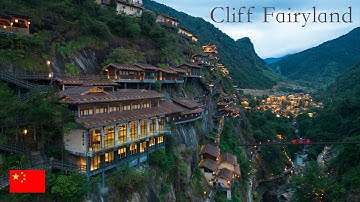
Wangxian Valley: Cliffside Fairyland in Shangrao, China
阿树Atlas Explore China

Wangxian Valley: China's Real-Life Fairytale Town
Vanessa Huang

Wangxian Valley’s Magical Rainy Night | Shangrao, China 4K HDR
China Walking Tour 漫游中国

Wangxian Valley: $200 for China's Viral Cliffside Village – Worth It?
Chasing the Chungs

Explore Shangrao, China: Essential Travel Guide
City Recall

Hidden Gems of Shangrao: Resorts, Snowy Mountains & Ancient Villages
Walk East

Aerial Drone Views of Shangrao, Jiangxi, China (上饶市)
Valeriy Blank