
Baicheng
Baicheng, located in the northwestern part of Jilin Province, China, is a city that seamlessly blends natural beauty with rich history. Bordering Inner Mongolia to the north and west, and Heilongjiang to the east and northeast, Baicheng offers travelers a unique glimpse into northeastern China's landscapes and cultures. The city is renowned for its expansive wetlands, diverse birdlife—including rare species like white cranes and white storks—and a tapestry of historical sites that reflect its Mongol heritage. Ideal for nature enthusiasts, history buffs, and those seeking authentic cultural experiences, a visit to Baicheng can be comfortably enjoyed over a 3-4 day itinerary.
Travel Tips in Baicheng
-
Best time to visit: The optimal period to explore Baicheng is from late spring to early autumn (May to September). During this time, the weather is milder, and the wetlands are teeming with migratory birds, offering excellent birdwatching opportunities.
-
How to get there and get around: Baicheng is accessible via Baicheng Chang'an Airport, which opened in 2017 and is located approximately 16.5 km from the city center. The airport offers domestic flights connecting Baicheng to major cities in China. Within the city, taxis are readily available, with fares starting at $0.75 for the first 2.5 km and an additional $0.15 per 100 meters thereafter. Public buses are also an economical option, with fares ranging from $0.15 to $0.75, depending on the route.
-
Safety: Baicheng is generally considered safe for travelers. However, it's advisable to exercise standard precautions, such as safeguarding personal belongings and being cautious in less populated areas, especially during the winter months when some attractions may be less frequented.
-
Local customs, language, etiquette: Mandarin Chinese is the primary language spoken in Baicheng. While English is not widely understood, learning a few basic phrases in Chinese can enhance your experience. When visiting local homes or religious sites, it's customary to remove your shoes and dress modestly. Engaging with the local Mongol community can provide deeper cultural insights; showing respect for their traditions and practices is appreciated.
-
Must-know practical advice: Some attractions, such as the Xianghai National Nature Reserve, may require an entrance fee of approximately $5. It's advisable to check the latest information on opening hours and any seasonal variations in accessibility. Baicheng's climate can be quite cold in winter, with temperatures often dropping below freezing; packing appropriate clothing is essential.
Highlights & Things to Do in Baicheng
-
Xianghai National Nature Reserve: A UNESCO Man and Biosphere Reserve, this vast wetland is home to diverse bird species, including the endangered red-crowned crane. Visitors can enjoy birdwatching, eco-tours, and photography amidst the serene landscape.
-
Tongyu Grassland: Experience the vastness of the Mongolian steppe with activities like horseback riding, camping, and photography. The grassland is especially vibrant during the Nadam Festival, a traditional Mongol celebration featuring horse racing and cultural performances.
-
Zhenlai Lotus Lake: A picturesque lake surrounded by wetlands, known for its blooming lotus flowers in summer. It's an excellent spot for relaxation, photography, and observing local wildlife.
-
Baicheng Cultural Museum: Delve into the city's rich history and cultural heritage, with exhibits showcasing artifacts from the Liao Dynasty and insights into the Mongol and Xibe communities.
-
Jing’an Fortress (Taonan): Built in 1889 during the Qing Dynasty, this historical site offers a glimpse into the region's frontier defense and Mongol trade history.
-
Mongol Cultural Village (Tongyu): Immerse yourself in Mongol heritage with experiences like staying in traditional yurts, participating in horse racing, and engaging in craft workshops, including leatherwork and felt-making.
Prices & Costs in Baicheng (approximate in USD)
-
Accommodation (per night, double):
- Budget: $20–$30
- Mid-range: $40–$70
- Luxury: $80 and above
-
Food:
- Street/local meal: $2–$5
- Mid-range restaurant: $10–$20 per person
- Daily basics: $10–$15
-
Transport:
- Local rides (taxi): Starting at $0.75 for the first 2.5 km, then $0.15 per 100 meters
- Public bus: $0.15–$0.75 per ride
- Airport transfer: Approximately $10–$15 by taxi
-
Main attractions/entry fees:
- Xianghai National Nature Reserve: Around $5
- Baicheng Cultural Museum: Approximately $2
-
Daily budget range (excluding travel to the city):
- Budget traveler: $30–$50
- Mid-range traveler: $60–$100
- Luxury traveler: $120 and above
Note: Prices can vary by season and personal preferences.
Flights to Baicheng Area - Ulanhot Airport
HLHTo travel to Baicheng, fly to Ulanhot Airport (Ulanhot, CN), located approximately 90.97 km away.
Hotels & Rentals
Explore accommodation options near Baicheng


Closest Airport
Ulanhot Airport
Ulanhot, CN
Videos closest to Baicheng

Aerial Views of Qiqihar Train Station and Medical University
A.Q M-E Consultancy vlogs

Zhalong Nature Reserve Red-Crowned Crane Performance, Qiqihar, China
FangLing Hsu

Frozen Dragon Tiger Lake: Daqing Countryside Day Trip
ren daqing
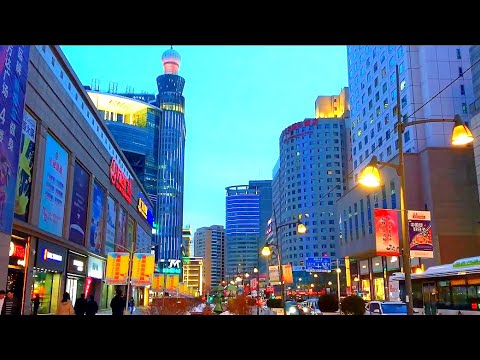
Changchun, Jilin Province, China: Aerial Drone Views (7.7M)
Valeriy Blank

Top Attractions in Changchun, China: Must-See Spots
Best Place to See

Harbin Ice and Snow World: Last Dinner | Day 13 China Vlog
DJ Wiz Life

Harbin Ice and Snow World After Dark (4K)
A Ukrainian Living in Hawaii - TheTravelBugBite

Harbin 2020: Ice & Snow World Festival | Travel Vlog
Poccalilangel

Harbin Opera House: Inspired by the City's Untamed Wilderness (English Subtitles)
Åvontuura

Exploring Unit 731 Memorial in Harbin, China | Travel Vlog
Katie O Vlogs

Harbin, China: My Favorite Things & Memories
Jen Tomski

Discover Harbin's Russian Charm: Churches, Food & Siberian Tigers
Clement Ying - Travel Diaries